

Many homeowners assume mold problems only happen in older homes with major flooding or years of neglected maintenance. A recent report from the Raleigh News & Observer article about hidden mold damage shows that even newly constructed homes can develop serious hidden mold contamination after seemingly minor leaks.
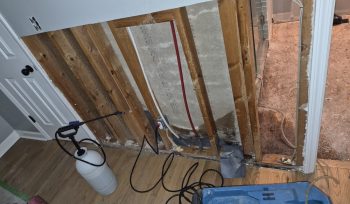
At EMERG+NC Property Rescuers, we have seen firsthand how small water intrusions can quietly become major structural and indoor air quality issues when moisture is not properly dried and monitored. In many cases, the visible water damage is only a fraction of the actual problem hiding behind walls, under flooring, or inside ceiling cavities.
How Small Leaks Become Major Mold Problems
According to the News & Observer report, a Tennessee family experienced repeated small leaks tied to their pantry, HVAC system, and roof in a newly built home. The leaks initially appeared minor, but hidden moisture eventually led to extensive mold contamination and more than $50,000 in remediation costs.
This situation is unfortunately more common than many homeowners realize.
Water damage restoration professionals regularly encounter hidden moisture in:
- Ceiling cavities
- Behind drywall
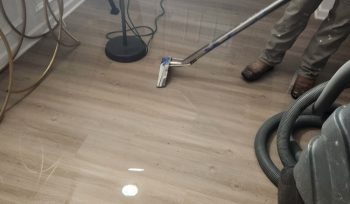
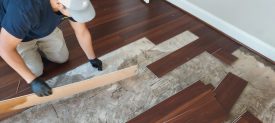
- Beneath vinyl plank flooring
- Around HVAC systems
- Inside insulation
- Under cabinets and vanities
If materials are not dried correctly after a leak, mold can begin developing within 24–48 hours under the right conditions.
Why Mold Problems Often Go Undetected
One of the biggest dangers with mold is that the damage frequently develops out of sight.
Homeowners may notice:
- Musty odors
- Bubbling paint
- Soft drywall
- Warped flooring
- Ceiling staining
- Persistent allergy symptoms
- Increased asthma symptoms
The Cleveland Clinic notes that mold exposure may contribute to coughing, sneezing, congestion, eye irritation, and respiratory irritation.
In many North Carolina homes, especially during humid spring and summer months, moisture can remain trapped long after a visible leak appears resolved.
This is why professional moisture mapping and drying verification are critical after any water intrusion.
New Construction Does Not Mean Safe From Mold
One of the most important takeaways from the News & Observer article is that mold can develop even in brand-new homes.
Many homeowners believe:
- “The house is too new for mold.”
- “The leak was too small to matter.”
- “The contractor fixed it already.”
Unfortunately, hidden moisture often remains after quick cosmetic repairs.
At EMERG+NC Property Rescuers Water Damage Services, we frequently respond to properties where:
- previous repairs failed to address trapped moisture
- flooring was installed over wet subfloors
- HVAC condensation leaks were overlooked
- roof leaks were patched without structural drying
Proper mitigation is not just about removing visible water. It requires:
- moisture detection equipment
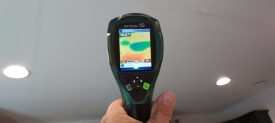
- thermal imaging
- professional dehumidification
- air movement
- monitoring affected materials
- documenting drying progress
What North Carolina Homeowners Should Do After Any Leak
Even small leaks should be taken seriously.
If you experience:
- water dripping from ceilings
- overflowing toilets
- leaking supply lines
- appliance failures
- HVAC condensation leaks
- roof leaks
- flooding from storms
you should immediately:
- Stop the water source if possible
- Remove standing water quickly
- Dry affected materials immediately
- Monitor humidity levels
- Have hidden moisture professionally inspected
Fast response can dramatically reduce:
- mold growth
- demolition costs
- insurance complications
- flooring replacement
- structural damage
Why Fast Professional Drying Matters
The difference between a manageable repair and a major mold remediation project often comes down to speed.
Water mitigation performed within the first 24 hours can help:
- preserve drywall
- save flooring
- reduce mold risk
- minimize reconstruction
- lower insurance claim severity
At EMERG+NC Property Rescuers Raleigh Water Damage Restoration, our teams use commercial drying equipment, moisture meters, and thermal imaging technology to identify hidden water before it becomes a larger issue.
Warning Signs You Should Never Ignore
Call a professional water damage and mold specialist if you notice:
- recurring musty odors
- dark staining on ceilings
- soft drywall
- peeling paint
- buckling floors
- unexplained allergy symptoms after a leak
- visible mold growth
- moisture around HVAC systems
These warning signs often indicate hidden moisture that requires professional drying or remediation.
Trusted Water Damage Restoration in Raleigh and Wake County
For more than 18 years, EMERG+NC Property Rescuers has helped homeowners throughout Raleigh, Cary, Apex, Holly Springs, and surrounding North Carolina communities respond quickly to water damage emergencies.
Our team specializes in:
- emergency water extraction
- structural drying
- flood cleanup
- mold remediation
- moisture inspections
- ceiling leak damage
- sewage cleanup
- storm damage restoration
When water damage happens, fast action matters.
Related Resources
- Original Raleigh News & Observer article on hidden mold damage
- Emergency Water Removal Services
- Raleigh Water Damage Restoration Services
- EMERG+NC Homepage
Author: Ryan Oakley, Owner of EMERG+NC Property Rescuers
18+ years of emergency water damage and restoration experience throughout North Carolina.