

As hurricane season approaches, North Carolina Insurance Commissioner Mike Causey is encouraging homeowners to review their insurance coverage and prepare now before severe weather arrives. According to recent reporting from , state officials are urging residents to consider flood insurance and take proactive steps to protect their homes ahead of what could be another active storm season.
Read the original article here:
https://wcti12.com/news/local/insurance-commissioner-urges-flood-insurance-hurricane-preparedness-ahead-of-season
For homeowners across Raleigh, Cary, Apex, Holly Springs, Fuquay-Varina, and surrounding Wake County communities, preparation is not just about weather forecasts. It is about understanding how quickly water damage can escalate and knowing who to call when disaster strikes.
Flood Damage Is Often Not Covered by Standard Homeowners Insurance
One of the biggest misconceptions homeowners have is assuming their homeowners policy automatically covers flooding. In many cases, it does not.
Flood insurance typically requires a separate policy through the National Flood Insurance Program (NFIP) or a private insurer. Even homes outside designated flood zones can experience significant water intrusion during hurricanes, tropical storms, or heavy rainfall events.
Commissioner Causey emphasized the importance of reviewing policies before storm season begins because flood insurance policies often include waiting periods before coverage takes effect.
Additional FEMA flood insurance information:
https://www.fema.gov/flood-insurance
Common Types of Hurricane and Storm Water Damage
At EMERG+NC Property Rescuers, we routinely respond to storm-related water losses throughout the Triangle area. Some of the most common issues we see during hurricane season include:
- Roof leaks from wind-driven rain
- Water intrusion around windows and doors
- Flooded crawlspaces
- Sump pump failures
- Ceiling collapses from attic saturation
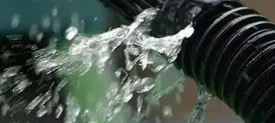
- Burst pipes caused by pressure fluctuations or storm damage
- Sewage backups during heavy rainfall
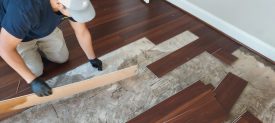
- Hardwood floor and drywall damage
- Mold growth beginning within 24 to 48 hours
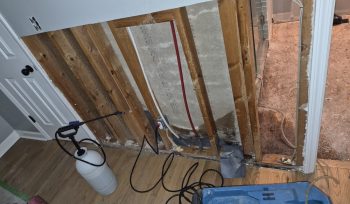
Many homeowners underestimate how quickly hidden moisture can spread behind walls, under flooring, and inside insulation after a storm.
What Homeowners Should Do Before Hurricane Season
Preparation can dramatically reduce both property damage and recovery costs.
Review Your Insurance Coverage
Before hurricane season intensifies:
- Confirm whether you have flood insurance
- Review deductibles and coverage limits
- Understand what water-related events are covered
- Document valuables and home condition with photos
Inspect Vulnerable Areas
Check:
- Roofing and flashing
- Gutters and downspouts
- Crawlspaces
- Sump pumps
- Exterior grading and drainage
- Window and door seals
Create an Emergency Response Plan
Know:
- Where your water shutoff valve is located
- Who to contact for emergency mitigation
- How to safely document damage after a storm
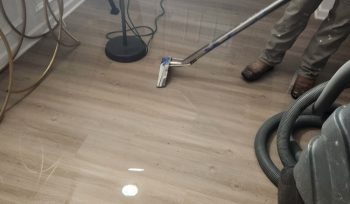
Quick response matters. Water mitigation started within the first 24 hours can often prevent much larger reconstruction and mold remediation costs later.
Why Fast Water Mitigation Matters
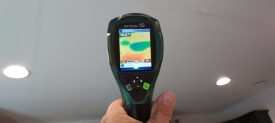
After a storm, many homeowners focus only on visible water. The bigger danger is often the moisture you cannot see.
Wet insulation, subflooring, framing, and drywall can continue absorbing moisture long after standing water is removed. Without professional drying equipment and moisture mapping, hidden damage can remain trapped inside the structure.
Learn more about EMERG+NC emergency water damage services:
https://emerg-nc.com/emergency-water-removal/
Raleigh water damage restoration services:
https://emerg-nc.com/locations/water-damage-restoration-raleigh/
Steps to Take Immediately After Storm Damage
If your home experiences water intrusion after a hurricane or severe storm:
- Shut off power to affected areas if safe to do so
- Document all visible damage with photos and video
- Contact your insurance carrier
- Begin mitigation immediately
- Avoid delaying extraction and drying services
The longer water sits, the more expensive repairs become.
Trusted Water Damage Restoration in Raleigh and Wake County
Storm damage situations are stressful, especially when homeowners are trying to navigate insurance claims, emergency mitigation, and reconstruction timelines all at once.
EMERG+NC Property Rescuers has been helping North Carolina property owners respond to water emergencies for years with rapid response mitigation, drying, cleanup, and reconstruction services throughout the Raleigh area.
Additional internal resources:
- https://emerg-nc.com/
- https://emerg-nc.com/emergency-water-removal/
- https://emerg-nc.com/locations/water-damage-restoration-raleigh/
About the Author
Ryan Oakley is the owner of EMERG+NC Property Rescuers and has more than 18 years of experience in emergency water damage mitigation, structural drying, mold remediation, and reconstruction services throughout North Carolina. EMERG+NC specializes in rapid emergency response and insurance-related property restoration services across Raleigh and Wake County.