
When temperatures drop below freezing, homes across Raleigh and the Triangle face a serious and often underestimated risk: frozen pipes. A frozen pipe can burst without warning, releasing gallons of water into walls, ceilings, floors, and crawl spaces in minutes. The resulting water damage is not just inconvenient. If left untreated, it can quickly lead to mold growth, structural damage, and expensive repairs.
Over the past two weeks, EMERG+NC Property Rescuers has responded to multiple frozen pipe emergencies across the area. Many of these cases had one thing in common: the damage escalated because water was not addressed fast enough.
This guide explains exactly what homeowners should do when frozen pipe water damage occurs, why speed matters, and how professional water damage restoration protects both your property and your health.
How Frozen Pipes Cause Serious Water Damage
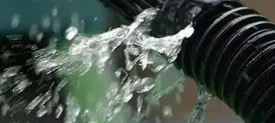
Frozen pipes burst because expanding ice increases internal pressure until the pipe fails. When temperatures rise or the ice shifts, water flow resumes instantly, often at full pressure.
Common areas where frozen pipes burst include:
- Exterior walls
- Attics
- Crawl spaces
- Garages
- Under sinks near exterior walls
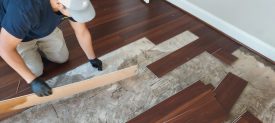
Once a pipe bursts, water spreads rapidly through porous materials such as drywall, insulation, subflooring, and framing. Even small leaks can soak hidden areas and create ideal conditions for mold growth within 24 to 48 hours.
According to the Insurance Institute for Business & Home Safety, burst pipes are one of the leading causes of winter property damage in residential homes.
What to Do Immediately After a Pipe Bursts
1. Shut Off the Water Supply
Turn off your main water valve immediately to stop the flow. If you cannot locate it, call a plumber or emergency restoration company right away.
2. Turn Off Electricity in Affected Areas
If water has reached outlets, light fixtures, or electrical panels, shut off power to the affected area to prevent electrical hazards.
3. Document the Damage
Take photos and video for insurance purposes, but do not delay mitigation while documenting.
4. Call a Professional Water Damage Restoration Company
Drying the surface is not enough. Professional water extraction and structural drying are required to prevent mold and long-term damage.
Learn more about how water spreads and why professional drying matters here:
Internal link: https://emerg-nc.com/emergency-water-removal/
Why Acting Fast Prevents Mold Growth
Mold thrives in damp environments. Once materials stay wet for more than 24 to 48 hours, mold spores can activate and spread quickly.
Professional water damage restoration includes:
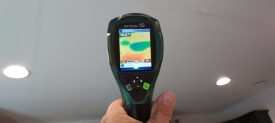
- Moisture detection behind walls and under floors
- Commercial-grade water extraction
- Controlled structural drying
- Mold prevention treatments when necessary
The EPA confirms that fast water removal is the most effective way to prevent mold after water damage.
External resource:
https://www.epa.gov/mold/mold-cleanup-your-home
Watch: Frozen Pipes and Water Damage Explained
We recently shared a short informational video explaining why frozen pipe damage escalates so quickly and what homeowners should watch for after a freeze.
Watch the video here:
https://www.youtube.com/watch?v=9QPoBKrNnOg
This video highlights real-world examples we have seen locally and reinforces why immediate action makes the difference between a manageable cleanup and a major reconstruction project.
When to Call EMERG+NC Property Rescuers
You should call a professional immediately if:
- Water has spread beyond one room
- Ceilings or walls feel soft or swollen
- Flooring is buckling or lifting
- You smell musty odors after drying
- The water source is unknown or hidden
EMERG+NC Property Rescuers specializes in emergency water damage restoration in Raleigh, Cary, Apex, Holly Springs, and surrounding areas. We respond quickly, work directly with insurance carriers, and use industry-standard drying and documentation protocols.
Learn more about our local services here:
Internal link: https://emerg-nc.com/locations/water-damage-restoration-raleigh/
Preventing Frozen Pipe Damage in the Future
While some freezes are unavoidable, homeowners can reduce risk by:
- Insulating exposed pipes
- Letting faucets drip during extreme cold
- Keeping interior cabinet doors open near plumbing
- Maintaining consistent indoor heat
- Shutting off and draining exterior hose bibs
Even with precautions, no system is foolproof. Knowing who to call before an emergency happens can save critical time.
More Information:
Author Bio
Ryan Oakley is the Owner of EMERG+NC Property Rescuers, with over 17 years of experience in emergency water damage, mold remediation, and property restoration. Ryan has led hundreds of emergency responses throughout the Raleigh area and works directly with homeowners and insurance carriers to ensure fast, professional recovery after property damage events.