
When winter temperatures drop below freezing, pipes are one of the most vulnerable parts of a home. Frozen pipes can burst without warning, releasing hundreds of gallons of water in minutes and causing severe structural damage. In North Carolina, these events often happen during short but intense cold snaps, catching homeowners off guard.
Understanding why pipes freeze, how to reduce your risk, and what to do if a pipe bursts can help limit damage and speed up recovery.
Why Frozen Pipes Burst and Cause So Much Damage
When water freezes, it expands. If water inside a pipe freezes, pressure builds between the ice blockage and the closed faucet. That pressure has nowhere to go. Eventually, the pipe splits or bursts, often in hidden areas like walls, crawl spaces, or attics.
The most common locations for frozen pipe damage include:
- Exterior walls
- Crawl spaces and basements
- Attics
- Garages
- Under kitchen and bathroom sinks
- Uninsulated or poorly insulated plumbing
When temperatures rise and the ice melts, water begins flowing again, often flooding the home before the damage is noticed.
Common Signs of Frozen or Bursting Pipes
Homeowners often miss early warning signs. Pay attention if you notice:
- No water or reduced water flow from faucets
- Frost on exposed pipes
- Strange odors from drains
- Bulging or cracked pipe sections
- Water stains on ceilings or walls
- Sounds of dripping or rushing water behind walls
If you suspect frozen pipes, acting quickly can prevent a burst.
What to Do If a Pipe Freezes
If a pipe is frozen but has not burst:
- Turn on the affected faucet to relieve pressure
- Apply gentle heat using a hair dryer or warm towels
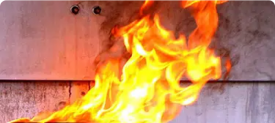
- Never use open flames or torches
- Keep cabinets open to allow warm air circulation
- Continue heating until water flow fully returns
If you cannot safely access the frozen section, stop and call a professional.
What to Do Immediately If a Pipe Bursts
If a pipe bursts, time matters.
- Shut off the main water supply immediately
- Turn off electricity in affected areas if water is near outlets
- Move valuables and furniture away from water
- Document visible damage with photos if safe to do so
- Call a professional water damage restoration company right away
Standing water can begin damaging flooring, drywall, and insulation within minutes. Mold growth can begin in as little as 24 to 48 hours.
If you are dealing with active water damage, professional water damage restoration is critical to prevent long term structural and health issues.
https://emerg-nc.com/emergency-water-removal/
How Frozen Pipe Damage Is Properly Restored
Effective restoration goes beyond drying visible water. A professional response typically includes:
- Emergency water extraction
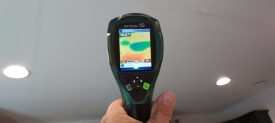
- Moisture detection behind walls and under flooring
- Structural drying using professional equipment
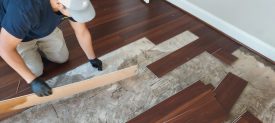
- Removal of damaged materials when necessary
- Mold prevention and remediation if required
- Coordination with insurance adjusters
If water damage is not fully dried and documented, hidden moisture can lead to mold growth, odors, and long term property damage.
Learn more about professional water damage restoration services in the Raleigh area:
https://emerg-nc.com/locations/water-damage-restoration-raleigh/
How to Prevent Frozen Pipes in the Future
Prevention is always cheaper than repair. Steps homeowners can take include:
- Insulating exposed pipes in crawl spaces and attics
- Sealing air leaks near plumbing
- Disconnecting and draining outdoor hoses
- Letting faucets drip during extreme cold
- Keeping thermostats set consistently, even when away
- Opening cabinet doors under sinks to allow warm air flow
The Federal Emergency Management Agency provides additional cold weather preparedness guidance for homeowners:
https://www.ready.gov/winter-weather
The Environmental Protection Agency also outlines water safety and damage prevention recommendations following home flooding events:
https://www.epa.gov/water-research
WRAL tips for dealing with frozen pipes in the Raleigh and Wake county areas: https://www.wral.com/consumer/5onyourside/keep-pipes-from-bursting-freezing-winter-precautions-2026/
When to Call a Professional Restoration Company
Frozen pipe damage is often more severe than it appears. Water can travel through framing, insulation, and flooring before becoming visible. A professional assessment ensures that all moisture is located and properly dried.
If your home has experienced frozen or burst pipe damage, contacting a local property damage restoration company with experience handling winter emergencies can reduce downtime, prevent mold, and protect your investment.
Emergency response matters most during freezing events when call volume is high and damage spreads quickly.
Author
Ryan Oakley
Owner, EMERG-NC Property Rescuers
With over 16 years of experience in water damage restoration, emergency response, and insurance coordination, Ryan Oakley leads EMERG-NC Property Rescuers in serving homeowners throughout Raleigh, Fuquay-Varina, and surrounding Wake County communities.