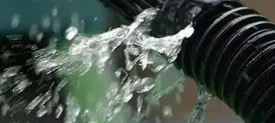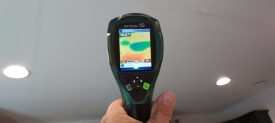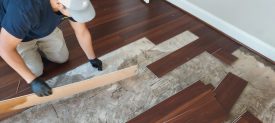

Installing a dishwasher might seem straightforward, but small mistakes during the process can easily lead to hidden leaks, water damage, mold growth, and expensive repairs down the road. In this article, we’ll walk through expert tips on dishwasher installation that help prevent water loss and protect your home from damage. These prevention steps help homeowners avoid one of the most common causes of kitchen water damage.
Why Proper Dishwasher Installation Matters
A poorly installed dishwasher often leaks from supply lines, drain connections, or from underneath the unit itself. Water pooling under cabinets can weaken flooring, encourage mold, and rot wood over time. According to plumbing and home appliance experts, loose supply hoses, incorrectly routed drain lines, and improper leveling are some of the most frequent causes of leaks after installation.
Top Dishwasher Installation Tips to Prevent Leaks
1. Turn Off Water and Power First
Before anything else, make sure the water supply is shut off and the breaker for the dishwasher is off. This avoids accidental spray or damage during the install.
2. Use High-Quality Hoses and Fittings
Opt for stainless steel braided supply hoses rather than basic rubber ones. These are less likely to kink or fail over time and are a common recommendation from restoration professionals to reduce burst-hose leaks.
3. Ensure Proper Drain Hose Routing
The dishwasher’s drain hose should have a high loop or air gap above the connection point. That prevents backflow from the sink drain into the dishwasher, lowering the risk of leaks and contamination.
4. Level the Dishwasher Carefully
A dishwasher that isn’t level can cause water to pool inside the machine and spill out during cycles. Use a reliable level tool and adjust the feet before pushing it all the way in.
5. Tighten Connections Without Over-Tightening
Whether for the water supply or drain, tighten connections snugly — but avoid overtightening. Both loose and overtightened fittings can lead to leaks or damage parts.
6. Test for Leaks Before Finishing
Once the connections are complete, run a short water cycle and open cabinets to check for moisture. This early test helps catch small issues before they become catastrophic.
7. Inspect Door Seals and Gaskets
Faulty door seals are a frequent cause of leaks around the front of the dishwasher. Inspect these parts while you have access, and replace any worn seals.
Common Installation Mistakes and What to Avoid
- Incorrect Measurements — A dishwasher that doesn’t fit flush can shift and stress plumbing connections.
- Skipping the Installation Kit — Some dishwashers require a specific kit to ensure all parts fit properly.
- Not Securing Hose Loops Correctly — A missing high loop or air gap increases backflow risk dramatically.
- Ignoring Leveling and Support — An unlevel unit may not drain properly and can stress seals.
What Happens When You Ignore These Tips
Even a slow leak under cabinetry can lead to:
- Warped subfloors
- Hidden mold behind walls
- Rotting wood supports
- Costly restoration services
Restoration professionals often find that hidden leaks from improperly installed dishwashers lead to bigger water damage jobs down the road when the homeowner didn’t catch the issue early enough.
When to Call a Professional
If the installation involves complex plumbing, electrical work, or if you detect any sign of leaks despite following the steps above, it’s wise to call a licensed plumber. A pro can ensure:
- Drain and supply lines are secured correctly
- Electrical connections meet code
- No hidden risks remain
Conclusion
Dishwasher installation is more than “plug and play.” With the right approach and a few expert tips, you can protect your home from water damage and enjoy your appliance for years without worry.
Structured FAQ
Q: Can a dishwasher cause water damage if installed incorrectly?
A: Yes. Loose connections, unlevel units, and improper drain hose routing are all common causes of appliance leaks that can lead to water damage.
Q: How do I prevent dishwasher leaks after installation?
A: Use durable hoses, ensure a high loop or air gap for the drain line, level the appliance, and test for leaks before finalizing the install.
Q: Should I call a professional plumber?
A: If you’re unsure about any installation step or detect moisture during testing, calling a licensed plumber helps avoid future damage.