
Most homeowners think emergency water damage restoration starts when a crew arrives with fans and dehumidifiers. In reality, the most important decisions happen before anyone shows up. The first 60 minutes after a water loss often determine whether the damage is contained or quietly multiplies behind walls, under floors, and inside cabinets.
After responding to emergency water losses across Raleigh, Cary, Apex, Holly Springs, and Fuquay-Varina for over 16 years, we see the same preventable mistakes again and again. This guide is designed to help homeowners avoid them.
The First Mistake: Waiting to “See If It Dries”
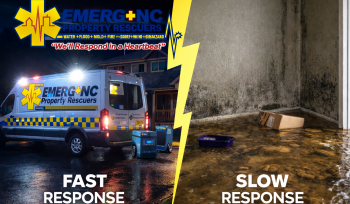
Water does not behave the way most people think. Even when visible water looks minimal, moisture spreads laterally through building materials. Drywall wicks upward. Hardwood traps moisture beneath the surface. Insulation holds water long after floors appear dry.
Waiting overnight to see if the problem resolves on its own is one of the most expensive mistakes homeowners make. By the time odors, staining, or swelling appear, secondary damage has already begun.
Emergency water damage restoration is not about drying what you can see. It is about stopping what you cannot.
The Second Mistake: Calling the Wrong Trade First
A plumber may stop the leak. They do not address what the water already touched.
A general contractor may quote repairs. They cannot assess moisture migration or microbial risk.
Emergency water damage restoration requires water mitigation, not just repairs. That means identifying affected materials, removing trapped moisture, and documenting conditions properly for insurance. When mitigation is delayed or skipped, insurance carriers often deny parts of the claim later.
Stopping the source is critical. Mitigation must follow immediately.
The Third Mistake: Letting Insurance Control the Timeline
Many homeowners instinctively call their insurance carrier first. While filing a claim is important, waiting for approval before starting emergency water removal often leads to unnecessary damage.
Homeowners have the legal right to protect their property from further loss. In fact, most policies require it. Emergency water damage restoration should begin as soon as possible, even while the claim is being opened.
The restoration company works for the homeowner. Documentation protects everyone.
What Emergency Water Damage Restoration Actually Involves
Professional water damage restoration is a controlled, technical process. It includes:
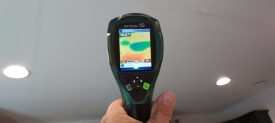
- Moisture mapping using thermal imaging and non-invasive meters
- Strategic water extraction and containment
- Controlled drying based on material type and environment
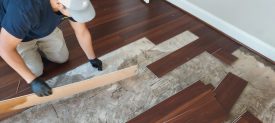
- Removal of unsalvageable materials when required
- Daily monitoring and documentation for insurance compliance
This is why emergency water damage restoration is different from basic cleanup. The goal is not speed alone. The goal is verifiable drying.
Why Local Experience Matters in Raleigh and Wake County
Homes in the Raleigh area present unique challenges. Crawl spaces, slab foundations, mixed construction eras, and humid conditions all affect how water behaves inside a structure.
Emergency water damage restoration in Raleigh requires an understanding of how moisture moves in our climate, not just generic drying formulas. What works in a dry western climate often fails here.
Local experience matters more than national branding.
How to Choose the Right Emergency Water Damage Restoration Company
When evaluating a restoration company, homeowners should look for:
- IICRC-certified technicians
- Documented experience with insurance claims
- Local references, not call centers
- Clear explanation of the drying plan
- Willingness to advocate for proper scope, not shortcuts
The lowest bid often becomes the most expensive outcome.
When to Call for Emergency Water Damage Restoration
Call immediately if you notice:
- Water intrusion from plumbing, appliances, or weather
- Ceiling stains or bubbling drywall
- Warped floors or baseboards
- Wet carpet or padding
- Sewage or contaminated water
If you are unsure, it is better to ask than assume.
Frequently Asked Questions
How fast should emergency water damage restoration start?
Ideally within the first 24 hours. The sooner mitigation begins, the lower the risk of structural damage and mold growth.
Will insurance cover emergency water damage restoration?
Most sudden and accidental water losses are covered, but coverage depends on policy details. Proper documentation is critical.
Can I wait until business hours?
Waiting increases damage. Emergency water damage restoration is a 24-hour service for a reason.
Do I need to move out during drying?
Often no. Each situation is evaluated individually based on safety and access.
Why Homeowners Trust EMERG+NC Property Rescuers
EMERG+NC Property Rescuers is a locally owned restoration company serving Raleigh and surrounding communities. We specialize in emergency water damage restoration and work directly with homeowners and insurance carriers to ensure the damage is handled correctly the first time.
We respond in a heartbeat because delays cost homeowners money.
Author Bio
Ryan Oakley is the owner of EMERG+NC Property Rescuers and has over 17 years of hands-on experience in emergency water damage restoration, mitigation, and insurance claim support. Ryan is IICRC-certified and has overseen thousands of residential and commercial water loss projects throughout North Carolina.
https://www.fema.gov/flood-insurance/knowledge-center/flood-damage-restoration