
Water damage is one of the most common and expensive problems homeowners face in Raleigh and the surrounding Triangle area. With our mix of aging homes, fast new construction, heavy rain events, and seasonal temperature swings, water intrusion can happen fast and quietly. The worst part is that many homeowners do not realize there is a problem until visible damage or mold appears.
At EMERG+NC Property Rescuers, we have responded to thousands of water damage calls across Raleigh, Cary, Apex, Holly Springs, and Fuquay Varina. Drawing from more than 16 years of hands-on experience, this guide breaks down the most common causes of residential water damage in Raleigh homes and what you can do to reduce your risk.
1. Plumbing Failures and Supply Line Leaks
Plumbing issues remain the leading cause of residential water damage in Raleigh. Aging supply lines, worn fittings, and hidden pipe leaks inside walls or under slabs can release thousands of gallons of water before homeowners notice.
Common plumbing-related causes include:
- Failed washing machine hoses
- Burst or cracked supply lines
- Loose compression fittings under sinks
- Leaking toilet seals
- Pin-hole leaks in copper piping
If your home was built before the mid-1990s, the risk increases due to older materials and installation methods. Even newer homes are not immune, especially during rapid temperature changes.
Prevention Tip: Replace rubber washing machine hoses with braided stainless steel lines and have a licensed plumber inspect supply lines every few years.
If a plumbing failure occurs, immediate emergency water damage restoration in Raleigh is critical to limit structural damage and mold growth.
2. Roof Leaks and Storm-Related Water Intrusion
Raleigh experiences frequent heavy rain, wind-driven storms, and occasional hail. Even a small roof failure can allow water to travel through insulation and framing before it becomes visible inside the home.
Common roof-related water damage issues include:
- Missing or lifted shingles
- Failed flashing around chimneys and vents
- Improperly installed skylights
- Aging roof materials
Water from roof leaks often shows up far from the actual entry point, making professional inspection essential.
Prevention Tip: Have your roof inspected annually and after major storms, especially if your roof is over 10 years old.
3. HVAC and Condensation Issues
In Raleigh’s humid climate, HVAC systems work hard most of the year. When condensate lines clog or drain pans overflow, water damage can occur slowly and go unnoticed for weeks.
We frequently see:
- Clogged condensate drain lines
- Rusted or cracked drain pans
- Improperly sloped drain lines
- Air handlers installed in attics without secondary protection
These issues often lead to ceiling damage, insulation saturation, and mold growth.
Prevention Tip: Schedule annual HVAC maintenance and ensure your system has a secondary drain pan and overflow shutoff switch.
4. Appliance Failures
Modern appliances rely on constant water pressure. Dishwashers, refrigerators with ice makers, and water heaters can fail without warning.
High-risk appliances include:
- Water heaters nearing the end of their lifespan
- Refrigerator supply lines
- Dishwashers with deteriorated seals
A failed water heater alone can release 40 to 80 gallons of water instantly.
Prevention Tip: Replace water heaters proactively at manufacturer-recommended intervals and install leak detection devices where possible.
5. Foundation and Crawl Space Water Intrusion
Many Raleigh homes are built with crawl spaces, which are especially vulnerable to water intrusion from poor drainage or grading issues.
Common causes include:
- Improper yard grading
- Clogged gutters and downspouts
- Groundwater intrusion after heavy rain
- Failed vapor barriers
Moisture in crawl spaces can lead to structural wood rot, elevated indoor humidity, and mold.
Prevention Tip: Keep gutters clean, extend downspouts away from the foundation, and consider professional crawl space encapsulation.
6. Sewer Backups and Drain Failures
Sewer backups are among the most hazardous types of residential water damage due to contamination risks. Aging municipal infrastructure and heavy rainfall can overwhelm sewer systems.
Warning signs include:
- Slow drains throughout the home
- Gurgling sounds in plumbing
- Sewage odors
Prevention Tip: Install a backwater valve and avoid flushing items not designed for sewer systems.
If sewage is involved, immediate professional water damage restoration in Raleigh is required to protect health and safety.
Why Fast Response Matters
According to industry standards and guidance from organizations like the IICRC and EPA, water damage left untreated for more than 24 to 48 hours significantly increases the risk of mold growth and secondary damage.
Delaying response often leads to:
- Structural deterioration
- Mold contamination
- Increased insurance claim costs
- Longer reconstruction timelines
For a deeper breakdown of local risk factors, this resource outlines additional insights on the top causes of residential water damage in Raleigh: https://www.apsense.com/article/870159-top-causes-of-residential-water-damage-in-raleigh.html
How EMERG+NC Property Rescuers Helps Raleigh Homeowners
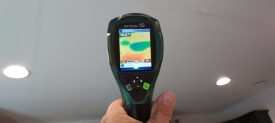
At EMERG+NC Property Rescuers, we specialize in rapid-response water damage cleanup and restoration. Our team uses professional-grade water extraction equipment, moisture mapping, and industry-approved drying methods to restore homes safely and efficiently.
We also work directly with insurance carriers to streamline the claims process and reduce stress for homeowners.
If you are dealing with water damage now, visit our Raleigh water damage restoration page to learn more about our emergency response services:
https://emerg-nc.com/locations/water-damage-restoration-raleigh/
You may also find helpful information on our emergency water removal services page:
https://emerg-nc.com/emergency-water-removal/
About the Author
Ryan Oakley is the Owner of EMERG+NC Property Rescuers, serving Raleigh and the surrounding Triangle area. With more than 16 years of experience in water damage restoration, fire damage cleanup, mold remediation, and insurance-based reconstruction, Ryan has helped thousands of homeowners recover from property damage quickly and professionally.
FAQs About Water Damage in Raleigh
How quickly should water damage be addressed?
Immediately. Most water damage situations require professional intervention within 24 hours to prevent mold growth.
Does homeowners insurance cover water damage?
Coverage depends on the source of the water and your policy. Sudden and accidental damage is often covered, while long-term neglect may not be.
Can I handle water damage cleanup myself?
Small spills may be manageable, but hidden moisture often requires professional equipment to prevent future problems.
If you suspect water damage in your home, early action can save thousands in repair costs. EMERG+NC Property Rescuers is available 24/7 to respond when Raleigh homeowners need help fast.